Introduction
Transforming your home audio experience starts with choosing the right rear speakers for your 5.1 surround sound system. These speakers are essential for creating an immersive sound environment, allowing you to become part of the action. Whether you enjoy high-octane blockbusters or serene nature documentaries, the right rear speakers make all the difference. Our guide explores crucial features to consider, highlights top 2024 picks, and provides expert installation and maintenance tips. Ready to elevate your home theater experience? Let’s dive in.
Understanding 5.1 Surround Sound Systems
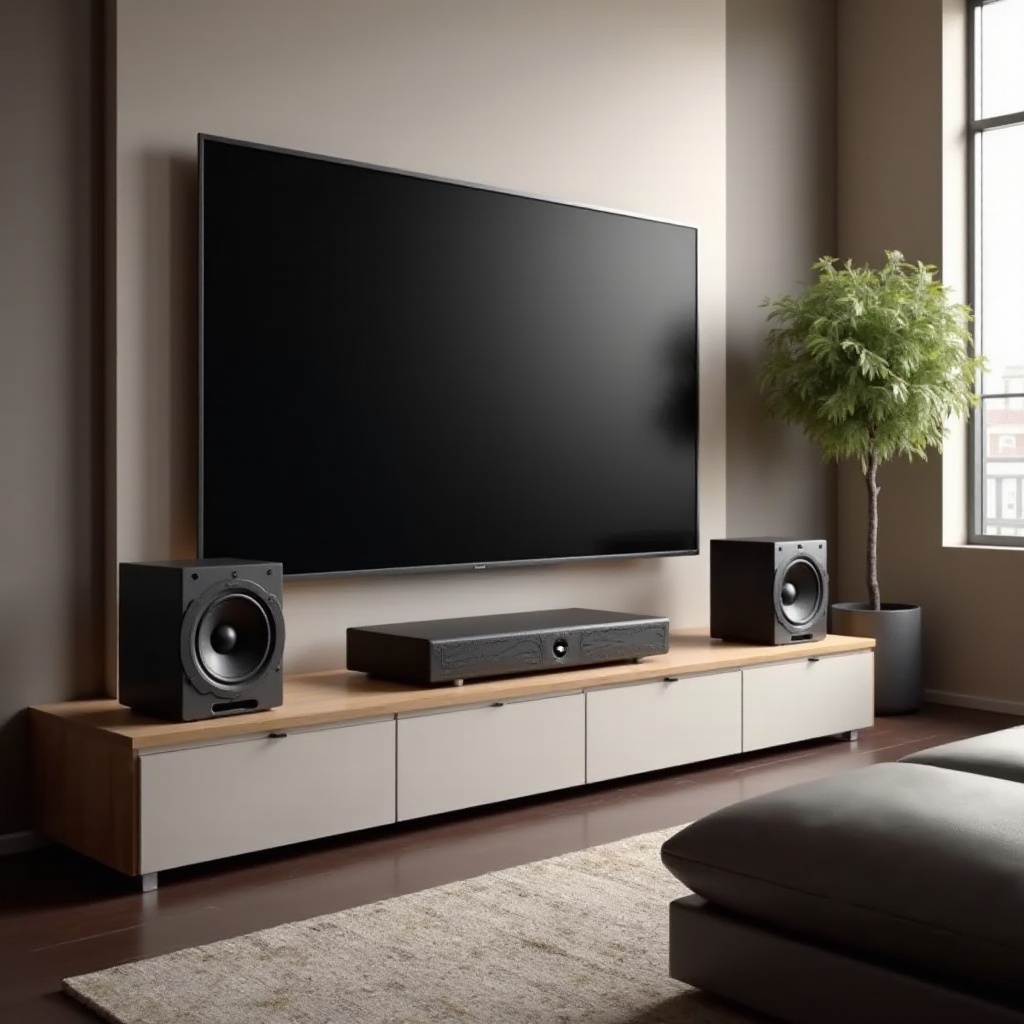
At the heart of any home theater system is the 5.1 setup, comprising five speakers and one subwoofer. This arrangement includes front left, center, and right speakers, with rear left and right speakers and a subwoofer completing the ensemble. Together, they deliver enveloping sound, offering necessary depth and spatial cues. Rear speakers, in particular, handle ambient sounds and effects, enhancing the audio scene.
When setting up a 5.1 system, distributing audio channels properly is crucial. Rear speakers play a supportive yet significant role, enhancing the sense of space and bringing content to life. Understanding their contribution justifies the effort in selecting superior rear speakers. The next section will cover why rear speakers are vital for your home setup.
Why Rear Speakers Matter in a 5.1 Setup
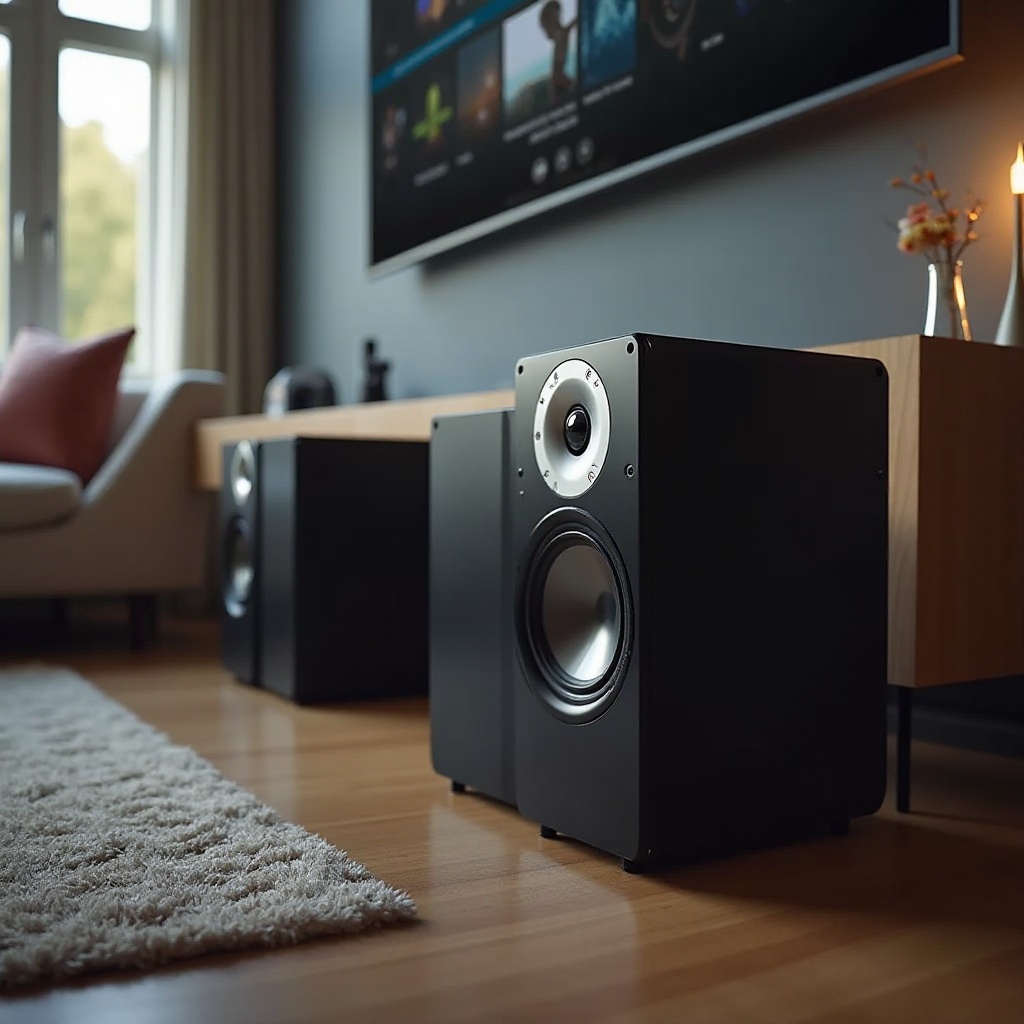
Rear speakers aren’t mere extras; they are key players in delivering a true surround sound experience. They handle background sounds that make you feel as if you are right there. Whether it’s rustling leaves, distant sirens, or the subtle echo of footsteps, these critical sounds create the auditory landscape.
Optimal rear speakers provide balanced sound dispersion, enhancing the immersive qualities of your audio system. They offer more than just depth; they cultivate ambiance. This level of detail bridges the gap between watching a movie and experiencing it. Let’s explore the features to seek when selecting rear speakers, ensuring you make the best choice.
Essential Features to Consider for Rear Speakers
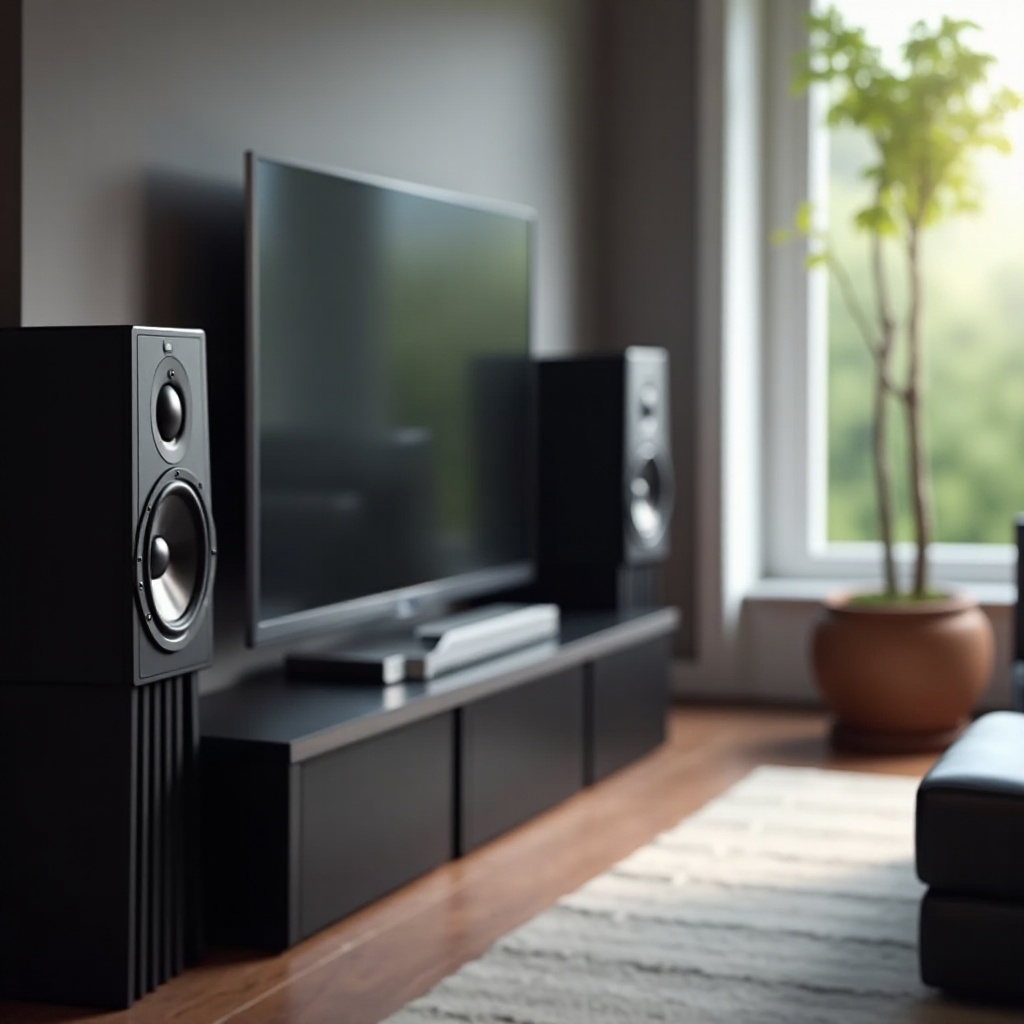
When selecting rear speakers, certain features significantly impact performance. Here’s what to prioritize:
-
Sound Quality: Crisp, clear sound is a must. Consider frequency response and sensitivity levels to ensure the speakers can handle all audio nuances.
-
Compatibility and Connectivity: Ensure the speakers are compatible with your receiver and system. Wireless options offer flexibility in placement without cumbersome wires.
-
Design and Aesthetic: Choose speakers that complement your room’s aesthetic. Consider wall-mountable or freestanding options for your space constraints.
These features are vital for achieving optimal audio performance and seamlessly integrating into your existing setup. Equipped with this knowledge, you’re ready to explore the top rear speaker recommendations for 2024.
Top Rear Speaker Recommendations for 2024
Several rear speakers stand out in 2024 for their performance, value, and design:
-
Premium Choice: This high-end option is renowned for exceptional clarity and depth, offering surround sound credentials that elevate your viewing experience. Pros include superior build quality and a wide frequency range, with the con being a higher price.
-
Best Value: Striking a balance between performance and cost, these speakers offer robust sound and reliability, making them ideal for most setups. Livelier mid-range and smooth treble are advantages, though aesthetics might be basic compared to premium models.
-
Budget-Friendly Pick: Perfect for those new to building a home theater, these economical speakers don’t skimp on essential features. Pros include affordability and easy installation, whereas sound quality may lack the dynamism of pricier counterparts.
Selecting the right speakers lays the foundation for superb home audio. Once chosen, setting them up correctly maximizes their potential.
Installation Tips for Optimal Performance
Proper installation is vital to harnessing your rear speakers’ capabilities. Follow these tips:
-
Correct Placement: Place speakers at ear level or slightly above when seated. This height produces the best dynamics and spatial effects.
-
Wiring and Connections: Use quality speaker wire for stable connections. Securely plug connections to prevent audio dropouts.
-
Calibration Tips: Use your receiver’s calibration system (often built-in) to optimize speaker balance and sound. This ensures each speaker’s output levels are correctly set, creating a cohesive soundstage.
Following these steps will enhance audio quality and the overall experience. Now that your speakers are set up, maintaining them is crucial for lasting performance.
Maintenance and Upkeep for Rear Speakers
Preserve your speakers’ performance with regular maintenance:
-
Dust Regularly: Avoid dust buildup on speaker grills and connections, which can interfere with sound quality and equipment longevity.
-
Inspect Connections: Routinely check and tighten connections to prevent issues. Loose connections can cause dropouts or degrade sound quality.
-
Environment: Keep speakers in a stable environment free from extreme temperatures or moisture to protect internal components.
Consistent care ensures they remain a vital part of your home theater for years to come.
Conclusion
Rear speakers are more than additional components; they are essential for creating a truly immersive 5.1 audio experience. From selecting the right model to installing and maintaining them, each step influences your system’s performance and personal enjoyment. Understanding these elements ensures your home theater impresses every time, transforming simple movie nights into memorable soundscapes.
Frequently Asked Questions
What should I consider when placing rear speakers in a small room?
Ensure speakers are positioned at ear level and slightly angled inward. This setup maximizes audio effects despite space constraints.
Can I mix and match different brands of speakers in my 5.1 system?
Yes, though consistency across brands ensures seamless audio quality. If mixing, focus on matching tonal quality and impedance.
How often should I update or upgrade my rear speakers?
Consider upgrades every 5-7 years, or if significant advancements in audio technology occur, to keep up with the best sound quality.