Introduction
Staying connected in areas without cellular service is a common challenge. Whether you’re in a remote location or seeking to reduce data usage, alternative calling methods are essential. This guide delves into various options for making calls without traditional cellular service. By leveraging internet-based services and offline communication tools, maintaining contact has never been easier.

Understanding the Need for Alternative Calling Methods
In areas with limited cellular coverage or during international travel, alternative calling methods become crucial. Beyond social needs, they are vital in emergencies too. Internet-based solutions and offline call tools provide a bridge when standard connectivity is absent. These methods are revolutionizing communication by freeing us from traditional network constraints. Let’s dive into some effective techniques that ensure connectivity, even without cellular service.
VoIP Calls: Your Gateway to Connectivity
What is VoIP?
Voice over Internet Protocol (VoIP) enables voice calls via a broadband Internet connection instead of regular phone lines. This technology converts voice into digital signals that traverse the internet, making it possible to call any phone number, locally or internationally.
Setting Up Your VoIP System
To effectively use VoIP, you need a stable internet connection and a device suited for internet calls, such as a smartphone, tablet, or computer. Numerous VoIP providers offer downloadable apps for easy installation. Set up your user account, configure the audio settings, and you’re ready to make calls through the internet.
Popular VoIP Services to Consider
Consider these reliable VoIP services:
– Skype: A stalwart in VoIP tech, providing an intuitive interface for voice and video calls.
– Google Voice: Offers complimentary voice calls, voicemail, and texts across the U.S. and Canada.
– Vonage: Recognized for quality and consistency, with plans suitable for both personal and business needs.
Selecting the right VoIP service ensures your connectivity continues even without cellular service at your disposal.
Leveraging Wi-Fi for Calls
Making Calls Over Wi-Fi
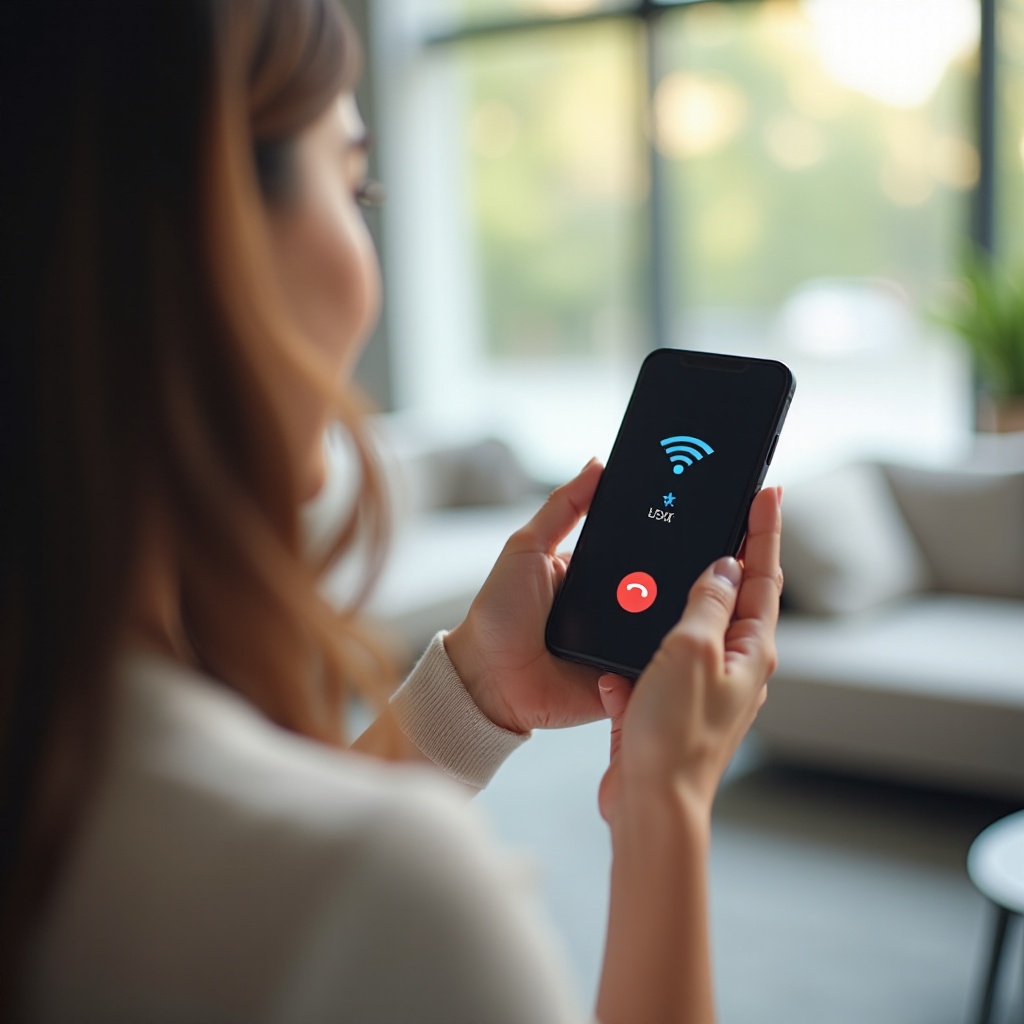
Wi-Fi calling permits phone calls using a Wi-Fi connection, eliminating the reliance on cellular service. Available on most modern smartphones, it automatically triggers when outside cellular network ranges.
Top Apps Offering Wi-Fi Calling
Several apps facilitate Wi-Fi calling, offering stability when cellular networks are inadequate:
– WhatsApp: With a vast user base, it supports seamless voice and video calls over Wi-Fi.
– Viber: Provides free calls with robust encryption, enhancing user privacy.
– Facebook Messenger: Connects you to your Facebook friends for voice calls without cellular data.
Pros and Cons of Wi-Fi Calls
Using Wi-Fi for calls has advantages and drawbacks:
– Pros:
– Generally delivers better call quality in strong Wi-Fi areas.
– No extra fees for long-distance or international calls.
– Cons:
– Requires Wi-Fi access.
– Call quality may fluctuate with internet stability.
Wi-Fi calling emerges as a practical solution for poor cellular coverage areas, ensuring seamless communication.
Offline Communication Solutions
Exploring Two-Way Radios and Walkie-Talkies
For those heading to areas with no internet or cellular signals, two-way radios or walkie-talkies remain invaluable. They work on radio frequencies, enabling short-distance communications sans network service.
Using Bluetooth for Short-Distance Communication
Bluetooth technology offers a superb offline method for close-range communication. Pairing devices via Bluetooth facilitates voice calls or message exchanges without network dependency when nearby.
Offline Messaging Apps for Communication
Several apps support communication without active internet once configured:
– Bridgefy: Utilizes Bluetooth, enabling messages through a mesh network setup for proximate users.
– FireChat: Tailored for off-grid exchanges, supports messaging without the internet or traditional networks.
These offline strategies help maintain communication when standard or internet-based methods falter.

Emergency Calling Without Service
Bypassing Networks in Emergencies
In emergencies, most carriers allow calls to emergency services like 911 even without active service or a SIM card. This feature is crucial when conventional networks are unavailable.
Utilizing Wi-Fi for Emergency Calls
Near a Wi-Fi source during emergencies, leveraging Wi-Fi calling or apps such as Skype can connect you to essential services. Pre-enabling these functions can be lifesaving.
Legal Considerations in Emergency Situations
International law often mandates emergency call provision without active service. Comprehending local regulations and adjusting your phone settings accordingly ensures you can utilize this vital feature.
Conclusion
Whether for ordinary chats or urgent calls, maintaining contact is paramount. Innovative techniques like VoIP and Wi-Fi calls, along with offline alternatives, keep communication channels open. Understanding and preparing these alternative methods positions you to deliver reliable communication support when cellular services are unavailable.
Frequently Asked Questions
Can I make emergency calls without service?
Yes, most phones can dial emergency services without active cellular service or SIM cards.
Are VoIP calls as reliable as traditional calls?
VoIP calls can be just as reliable as traditional calls if you have a strong and stable internet connection.
What apps allow voice calls without cellular service?
Apps like Skype, WhatsApp, and Viber enable voice calls using Wi-Fi or internet connections instead of cellular service.