Introduction
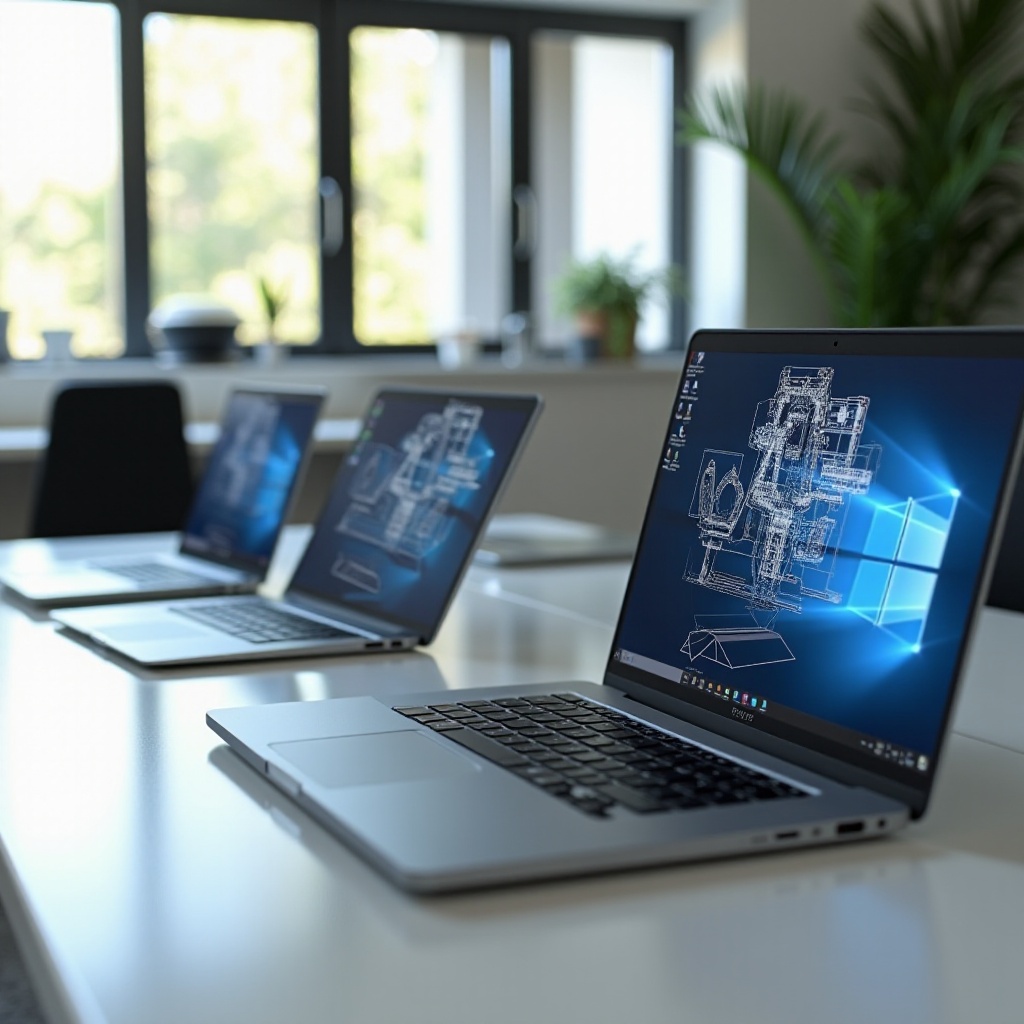
For engineering students, choosing the right laptop is crucial. The demands of engineering courses require laptops with robust performance, durability, and portability, all while staying within a budget of $1000. In this article, we will explore the best laptops that meet these requirements, ensuring a balance of performance and cost-effectiveness.

Key Considerations for Engineering Laptops
When selecting a laptop for engineering studies, several key factors should guide your decision:
Performance Requirements
Engineering software can be resource-intensive, which necessitates a high-performance laptop. Look for devices with Intel Core i5 or i7, or AMD Ryzen 5 or 7 processors. At least 8GB of RAM is recommended for efficient multitasking, while 16GB is ideal for more intensive tasks. A dedicated graphics card, while not mandatory for all, can significantly enhance performance for graphics-heavy applications.
Portability and Design
Engineering students are often on the move between classes, labs, and group work. Therefore, portability and design are key. Lightweight models around 3-4 pounds with a compact design are preferable. Additionally, long battery life, ideally 8-10 hours, ensures you can work uninterrupted throughout the day.
Durability and Build Quality
As a student, your laptop will be exposed to daily use and potential mishaps. Hence, a durable build, preferably with a high-quality metal chassis, is essential. Consider laptops with protective features to withstand drops and spills, adding to the longevity of your device.
Understanding these considerations facilitates the narrow down process when examining specific models within the $1000 budget range.
Top 10 Laptops for Engineering Students Under $1000
Here, we review the top laptop options that strike a balance between affordability and performance, tailored for engineering students:
- Laptop A
- Features: Intel Core i5, 8GB RAM, 256GB SSD, integrated graphics
- Pros: Lightweight and excellent battery life
-
Cons: Storage capacity may be limiting for some users
-
Laptop B
- Features: AMD Ryzen 5, 16GB RAM, 512GB SSD, dedicated graphics
- Pros: Superior performance with ample storage
-
Cons: Slightly heavier than other options
-
Laptop C
- Features: Intel Core i7, 8GB RAM, 256GB SSD, entry-level dedicated graphics
- Pros: Powerful performance and robust build
- Cons: Shorter battery life compared to others
These options provide a great mix of features that cater to the diverse needs of engineering students.
Detailed Comparison of Recommended Laptops
The following comparison will help you swiftly evaluate these laptops based on essential criteria such as price, features, and overall value:
Comparison Table
| Laptop Model | Processor | RAM | Storage | Battery Life | Weight | ||
| Laptop A | Intel Core i5 | 8GB | 256GB | 10 hours | 3 lbs | ||
| Laptop B | AMD Ryzen 5 | 16GB | 512GB | 8 hours | 4 lbs | ||
| Laptop C | Intel Core i7 | 8GB | 256GB | 7 hours | 3.5 lbs |
Pros and Cons
Each of these laptops offers different strengths. Laptop A prioritizes portability, Laptop B provides high performance, and Laptop C offers a balanced approach with excellent build quality.
User Reviews and Expert Opinions
Feedback from users and contributions from industry experts are invaluable for assessing these laptops in real-world scenarios. Many users report satisfaction with the performance and construction quality across all models. Expert reviews often praise the balance of price and capability, providing reassurance of each choice.

Conclusion
To sum up, these laptops present an excellent range of options for any engineering student working within a $1000 budget. With focus points such as performance, portability, and durability, these choices offer longevity and efficiency for your academic journey.
Frequently Asked Questions
What is the most important feature in a laptop for engineering students?
The most important feature is high performance, needed for running demanding engineering software.
Can I upgrade my laptop in the future?
Many laptops allow RAM and storage upgrades, though this depends on the model. Research specifications before purchasing.
How long should a good laptop last for an engineering student?
With careful maintenance, a quality laptop can last four to five years, spanning an entire engineering degree.