Introduction
TV static is often associated with the nostalgic charm of old television sets, yet it remains a prevalent issue in many modern households, prompting inquiries about its causes. The distinctive appearance of TV static, with its grainy and flickering screen accompaniments, can disrupt the enjoyment of your favorite shows. Despite technological advancements, understanding the root causes of TV static is essential for effectively troubleshooting and resolving such disturbances. Whether your setup includes a contemporary flat-screen or a traditional CRT unit, gaining insight into the underlying factors contributing to static can help restore clarity to your viewing experience.
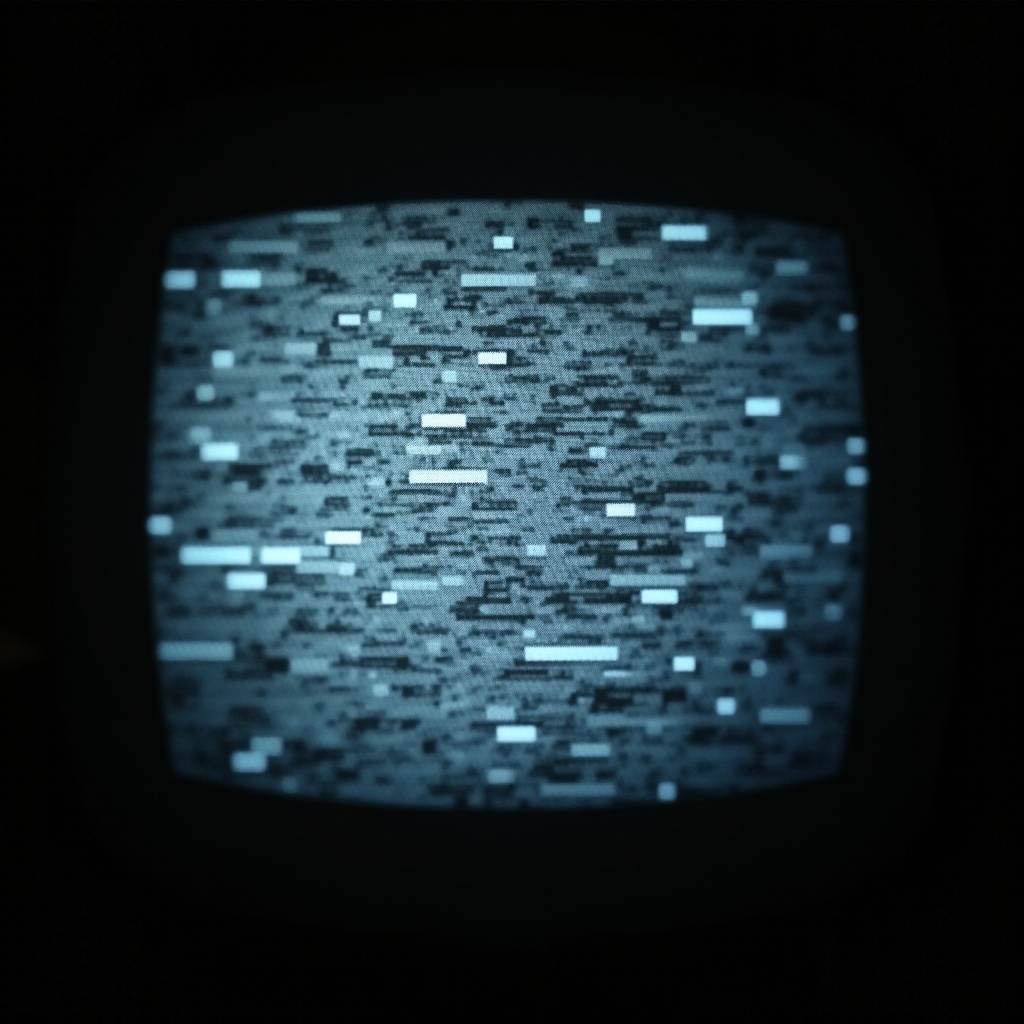
The Evolution of TV Technology
Television technology has made remarkable strides since the days of bulky, antenna-reliant analog models. Early televisions depended heavily on electromagnetic waves to deliver image and sound, often succumbing to interference and deterioration in quality. The arrival of digital broadcasting heralded a new era of enhanced picture crispness and seamless transitions. However, despite these significant advancements, challenges like static have not completely vanished. By exploring the ongoing presence of static within the realms of HDTV and smart TVs, we can better comprehend and address its persistence.
Understanding TV Static: The Basics
TV static emerges from disruptions in the transmission of TV signals, impacting both analog and digital models. Although digital TVs are designed to withstand more interruptions than their analog counterparts, they are not entirely immune. Static generally materializes when the TV encounters difficulties processing the influx of signals, resulting in pixelated visuals or even signal disappearance. Factors such as changes or damage within the broadcasting pathway can further amplify these disturbances, leading to a frustrating viewing ordeal. Understanding these signal variations is crucial for effective diagnosis and resolution.
Common Causes of TV Static
Electromagnetic Interference
One significant source of TV static is electromagnetic interference (EMI). Various household electronics, including microwaves, smartphones, and even fluorescent lights, generate electromagnetic fields that interfere with the TV’s signal, distorting the reception and generating static. Urban environments amplify the impact of EMI due to the large concentration of electronic devices operating simultaneously, particularly during peak hours. Recognizing and mitigating EMI’s effects is key to combating TV static.
Signal Weakness and Transmission Issues
Signal weakness frequently contributes to TV static. Geographical factors such as tall buildings, mountains, or simply the extensive distance from the broadcasting tower to the user’s home can diminish the signal before it even reaches the antenna. Additionally, transmission complications, ranging from malfunctions at broadcasting towers to delays at the network level, may lead to signal disruptions, manifesting as static on the screen. Addressing these aspects can significantly enhance signal quality and reduce static occurrences.
Faulty Cables and Connectors
Often underestimated, faulty cables and connectors are common culprits behind TV static. Regular wear and tear can degrade these components, leading to poor connections and signal loss. Replacement and secure connectivity of cables are essential maintenance practices for sustaining a smooth and uninterrupted viewing experience. Timely actions can prevent potential signal interferences and disruptions.
How to Diagnose TV Static Issues
Accurate diagnosis of TV static sources demands systematic investigation. Begin by assessing any surrounding electronics—temporarily disabling devices such as wireless routers or microwaves that might cause EMI can effectively reduce static. Next, employ your TV’s diagnostic tools to evaluate the current signal strength and integrity. Weak signals may demand adjustments, either repositioning the antenna or opting for alternate broadcasting sources. Carefully inspect all cables and connections for any signs of damage or loose fittings. Through these meticulous checks, identifying the specific source of static allows for informed steps towards resolution.
Effective Solutions to Eliminate TV Static
Inspect and Replace Cables
The first step in addressing TV static involves meticulously inspecting all connected cables. Upon identifying any signs of damage or deterioration, promptly replace them with high-quality shielded cables to minimize interference. Securing each cable connection contributes significantly to resolving static issues, ensuring an uninterrupted flow of signals.
Adjust Antennas and Signal Sources
Enhancing signal reception often necessitates repositioning antennas. By experimenting with orientations and placements, the optimal signal strength can be achieved. In cases where signals remain weak, contemplate upgrading to a more efficient and robust antenna capable of effectively capturing signals from distant transmission towers. Additionally, evaluating whether relocating the TV or its peripherals can augment signal reception may yield positive results.
Utilizing Signal Amplifiers and Filters
Signal amplifiers prove instrumental in bolstering weak signals to prevent interference. If electromagnetics persist, consider the installation of EMI filters or power line conditioners to weed out noise contaminants that interfere with signal clarity. Integrating these devices can improve picture quality and fortify the overall viewing experience.
Preventative Measures for a Static-Free Experience
Several preventative measures can avert future instances of TV static:
- Regular Maintenance: Periodically inspect and clean cables and connectors to ensure no degradation affects signal quality.
- Strategic Placement: Keep your TV and antenna away from potential EMI sources, like electronic appliances.
- Environmental Optimizations: Place antennas where reception is devoid of physical obstructions.
- Technological Upgrading: Newer technologies often offer enhanced resistance to signal issues and interference, consider periodic upgrades.
By incorporating these preventative techniques, a consistently stable viewing experience can be maintained.
Conclusion
Fully grasping the causes of TV static and applying proper solutions significantly enhances the quality of one’s viewing escapades. Although modern TV technology has diminished static prevalence, occasional issues still necessitate prompt and knowledgeable remedies. With this comprehensive guide, audiences are empowered to confront and surmount static challenges, ensuring a consistently uninterrupted and enjoyable programming experience.
Frequently Asked Questions
Why is my TV still static after checking connections?
If your TV exhibits static after checking connections, consider potential issues such as electromagnetic interference or weak signals. Using signal amplifiers or repositioning the antenna may resolve the issue.
Can weather cause TV static?
Yes, adverse weather conditions like thunderstorms and heavy rain can affect signal transmission, leading to increased static or signal loss on TV screens.
Is TV static an issue with modern digital TVs?
While less common, modern digital TVs can still experience static due to signal interference or weakness. Ensuring proper setup and regular maintenance helps mitigate these issues.