Introduction
Selecting the right USB microphone for your Mac can make all the difference in your audio projects. A quality microphone enhances the clarity of your recordings, critical for podcasters, musicians, and content creators. In this guide, we’ll help you understand the key features to consider, explore some of the best options for 2024, and provide tips on setting up and optimizing your USB microphone experience.
Understanding USB Microphones for Mac
USB microphones are popular due to their ease of use and plug-and-play functionality. Several factors make them particularly well-suited for Mac users.
What Makes USB Microphones Ideal for Mac Users?
Mac users appreciate USB microphones for their simplicity and compatibility with macOS. Direct connection to your Mac allows for a hassle-free setup without needing additional audio interfaces or complicated configurations.
USB vs. XLR: What’s the Difference?
USB microphones offer user-friendly connectivity, while XLR mics require audio interfaces, typically preferred in professional studios. For home recording on a Mac, USB microphones offer an excellent blend of quality and convenience, ideal for aspiring content creators.
Key Features to Look for in a USB Microphone for Mac
When selecting a USB microphone, understanding the various features that contribute to sound quality and compatibility with your Mac is crucial.
Compatibility with macOS
Ensure the microphone is fully compatible with the latest macOS version to avoid software conflicts. Manufacturers often provide drivers or updates for smooth operation.
Sound Quality and Recording Specifications
Consider the microphone’s frequency response, bit rate, and sensitivity. A wide frequency range captures detailed sound, and a high bit rate improves audio resolution, combining to enhance your recording quality.
Design and Durability
Evaluate the microphone’s build quality and design. A sturdy microphone can withstand regular use, providing long-term reliability. Aesthetics can also play a role if your setup is often visible on camera.
With a good understanding of these features, you are better equipped to choose a high-quality USB microphone. Now, let’s explore some of the top microphone options for 2024.
Top USB Microphones for Mac in 2024
Navigating the market to find the best USB microphones can be overwhelming, but a few models stand out in 2024 for their performance and compatibility with Macs.
Microphone 1: Features, Pros, and Cons
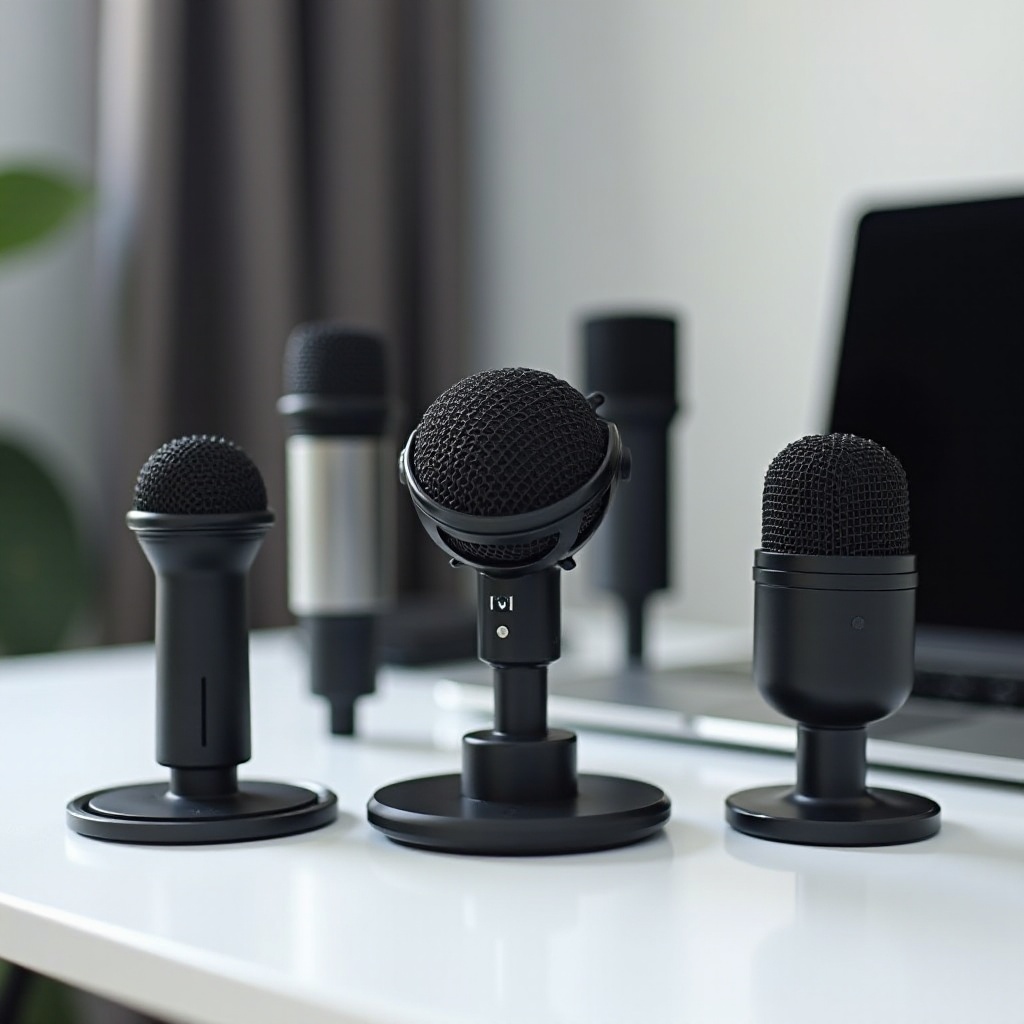
The [Microphone 1] is renowned for its audio clarity and versatility, with a cardioid pattern ideal for close-up podcasts. Its portability is a plus, though users seeking more directional options may find it somewhat limited.
Microphone 2: Features, Pros, and Cons
The [Microphone 2] offers flexibility with multiple recording patterns and excels in durable build and software compatibility. Despite its slightly heavier design, it remains a favorite for various recording projects, both professional and amateur.
Microphone 3: Features, Pros, and Cons
The [Microphone 3] is a great entry-level microphone, offering good sound quality and affordability for new Mac users. It may lack some advanced features found in more premium models, but it delivers reliable performance for general use.
These models provide great options depending on your specific needs. Next, we will discuss how to set up and maximize the use of your USB microphone on a Mac.
How to Set Up and Use a USB Microphone on Mac
A proper setup is essential to make the most of your new USB microphone. Follow these steps to ensure your microphone is working optimally.
Step-by-Step Installation Guide
- Plug the USB cable from the microphone into your Mac’s USB port.
- Open ‘System Preferences’ and select ‘Sound’.
- Under the ‘Input’ tab, choose your USB microphone from the list.
- Adjust the input volume to avoid distortion while ensuring clear sound.
Troubleshooting Common Issues
Should your Mac not recognize the microphone, attempt reconnecting or using a different USB port. Ensure that your macOS is updated, as outdated systems can introduce compatibility issues.
After setting up your microphone, it’s important to optimize your recording conditions for the best possible audio.
Tips for Optimizing Your USB Microphone Experience
To achieve the best audio quality, incorporate some professional practices into your workflow.
Best Recording Practices for Mac Users
- Maintain a distance of 6-12 inches between you and the microphone.
- Use a pop filter to minimize plosives.
- Record in a quiet environment to reduce unwanted background noise.
How to Maintain and Care for Your Microphone
- Regularly clean your microphone to prevent dust accumulation.
- Store it in a case when not in use to avoid damage.
These practices will help maintain the quality and longevity of your microphone, ensuring a consistent and reliable experience. As we conclude this guide, let’s summarize the key takeaways.
Frequently Asked Questions
Are USB microphones compatible with all Mac models in 2024?
Yes, most USB microphones are designed to work with current Mac models, but always check compatibility specifications before purchasing.
What software is best for recording with a USB microphone on a Mac?
Popular options include GarageBand, Audacity, and Logic Pro X, each offering unique tools for enhancing audio quality.
How do I know when it’s time to upgrade my USB microphone?
Consider upgrading if your current microphone no longer meets your audio quality expectations or lacks features you now require.